

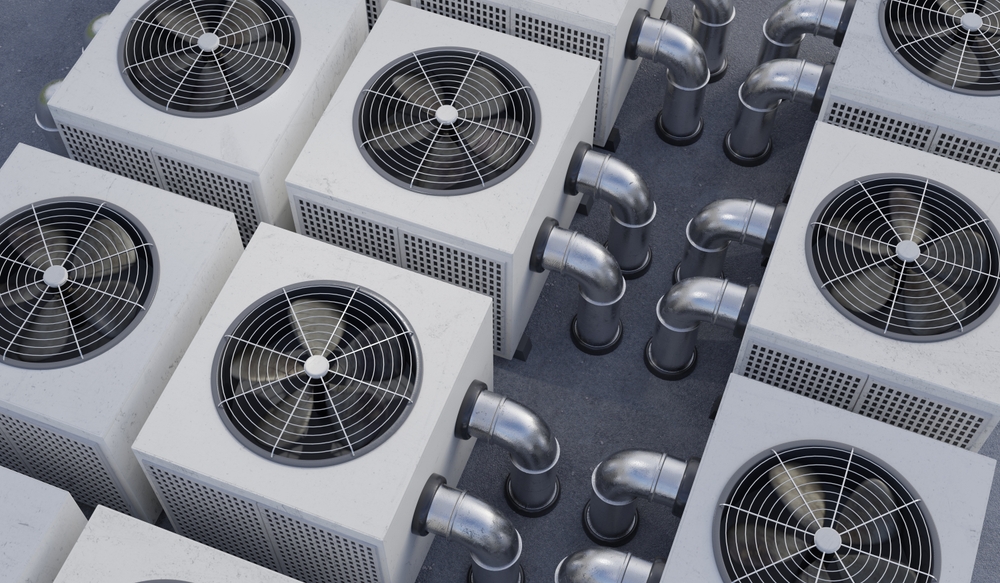
In Alberta, construction never stops, regardless of the season. As spring emerges, your site likely faces the annual task of transitioning from winter heating to spring and summer cooling systems. For construction professionals, this transition from fuel-fired heaters to air conditioning and industrial HVAC systems is crucial for worker comfort and the optimal performance of equipment and materials.
With our expertise in innovative climate control solutions, Polar Mobility has created this comprehensive HVAC transition checklist to help you get through the switch-over smoothly and efficiently.
What Spring Transition Means for Construction HVAC
Switching from heating to cooling on a jobsite isn’t as simple as swapping equipment. It requires adjusting to changing conditions to keep crews productive, safe, and comfortable.
Fuel-fired heaters, critical in winter for protecting workers and preventing materials from freezing, need to be phased out as temperatures rise. In their place, AC and HVAC systems step in to regulate temperature, support air quality, and maintain consistent working conditions, which directly impact performance and morale. As spring arrives, a new set of demands on your HVAC systems is introduced:
- Higher Ambient Temps: The system must now work to reject heat rather than generate it.
- Dust and Pollen: Increased site activity and dry ground mean air filters and condensers face much higher levels of debris.
- Longer Run Times: As daylight increases, so do shift lengths, putting more sustained pressure on cooling components.
The goal of the spring transition is to effectively switch from heat-first operation to cooling-first reliability to prevent mid-day failures during the first heatwave.
Switch-over Timing That Avoids Breakdowns
Many fleets make the mistake of switching over based on the calendar. Instead, use temperature patterns.
Trigger points your team should follow:
- First Sustained Warm Days: When daytime highs consistently hit 15°C (60°F), it’s time to test the AC.
- First High-Dust Jobs: If you’re moving dirt in dry conditions, your AC system needs to be ready to pressurize the cab and filter out particulates.
- First Long Shifts: When crews move to 10- or 12-hour days, the heat load inside a glass-heavy cab increases significantly.
Switching too early may result in short-cycling if it’s still too cold outside. Switching too late often leads to emergency service calls when the first 30°C day hits and the AC fails under pressure.
30 Minute Pre-Switch Inspection
Before you commit to your HVAC transition, perform this quick health check on your equipment:
- Visual Walkaround: Look for sagging hoses or oily spots on the compressor.
- Listen and Smell: Turn the AC on. Listen for “clacking” at the compressor clutch and smell for musty odours that could indicate mould in the evaporator.
- Cab Comfort Check: Test the air at idle and under load. The air should be crisp and cold within 3–5 minutes.
- Record Baselines: Write down the vent temperature. If it’s 6°C today and 12°C next month, you know you have a slow leak.
Spring HVAC Transition Checklist
Assessment and Planning
Begin by thoroughly assessing your current heating setup and identifying your cooling system needs. Consider the:
- Space size
- Average number of on-site workers
- Specific requirements of your construction project
Planning will enable you to select the most suitable AC/HVAC system for your site’s needs.
Scheduled Maintenance
Before the transition, ensure that your AC/HVAC systems are in optimal condition. This involves:
- Cleaning filters
- Checking refrigerant levels
- Ensuring all components function correctly
Scheduled maintenance can prevent unexpected breakdowns and ensure your systems operate efficiently during warmer months.
Gradual Phase-Out of Heating Systems
As temperatures begin to rise, gradually reduce the reliance on fuel-fired heaters. This helps acclimatize workers to the changing temperatures and allows you to address any issues with the cooling systems before they become critical.
Energy Efficiency Considerations
Transitioning to AC/HVAC systems presents an opportunity to focus on energy efficiency. Selecting energy-efficient models, installing programmable thermostats, and ensuring proper insulation can significantly reduce energy consumption and costs.
Training and Awareness
Educate your team about the new systems. This includes training on operating the AC/HVAC systems efficiently and promptly reporting any issues. Awareness can lead to proactive maintenance and prevent minor issues from escalating.
Monitoring and Adjustment
Once the AC/HVAC systems are in operation, continuously monitor their performance. Be prepared to adjust settings and schedules based on actual site conditions and worker feedback. This flexibility can help maintain an optimal working environment throughout the season.
The Polar Mobility Commitment
At Polar Mobility, we understand the challenges construction professionals in Alberta face as the seasons change. Our commitment to providing state-of-the-art climate control solutions extends beyond just supplying equipment. We offer comprehensive support, from system selection and installation to maintenance and training, ensuring a seamless HVAC transition.
As you prepare for the warmer months, remember that planning, maintenance, and adaptability are the keys to a successful transition. Following this HVAC transition checklist will help your construction site remain a productive and comfortable environment for everyone involved.
Contact Polar Mobility to discuss the best exchange system for your operation.